
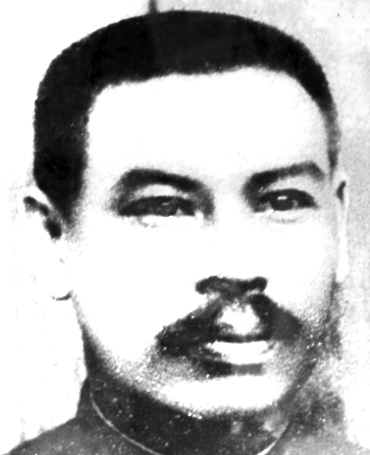
Francesco Saverio Tru’o’ng Bǚu Diệp
(† 1946)
- 12 marzo
Sacerdote diocesano; la mattina del 12 marzo 1946 i miliziani lo arrestarono insieme ad oltre settanta parrocchiani e altre persone, rinchiudendoli in due granai e minacciando di bruciarli vivi. Per salvare i compagni, andò tre volte a trattare con i carcerieri, offrendosi in cambio di tutti. La terza volta non tornò più: i granai furono aperti e i prigionieri lasciati fuggire. Due giorni dopo il suo corpo fu ritrovato in uno stagno, nudo come Gesù in croce e il cranio fracassato
Francesco Saverio Tru’o’ng Bǚu Diệp nacque il 1° gennaio 1897 nella provincia vietnamita di An Giang, allora ecclesiasticamente dipendente dal Vicariato di Phnom Penh (che invece si trova in territorio di Cambogia), da genitori cattolici. Il 2 febbraio venne battezzato e ricevette il nome del grande santo missionario Gesuita. Alla morte della madre, nel 1904, il padre si trasferì per un tempo in territorio cambogiano e, rientrato in patria, nel 1909 Francesco Saverio fu accolto nel seminario minore della provincia di An Giang. Da esso passò al seminario maggiore di Phnom Penh e, compiuti gli studi, fu ordinato sacerdote nel 1924 da Mons. Jean-Claude Bouchut, delle Missioni estere di Parigi.
Nei primi anni di sacerdozio, dal 1924 al 1927 fu assistente parrocchiale a Hố Trư, luogo di immigranti vietnamiti in Cambogia, e dal 1928 al 1930 fu insegnante nel seminario minore. Nel 1930 venne nominato parroco di Tắc Sậy, nella provincia di Bạc Liêu (oggi diocesi di Cần Thơ), dove rimase fino alla morte. La parrocchia non contava molti fedeli, quindi si diede alla visita di altre parrocchie vicine e alla cura di almeno sei nuove stazioni missionarie nei centri vicini, come a Bà Đốc e a Đồng Gò nel 1932, a Đầu Sấu nel 1933, a Cam Bô nel 1937, a Chủ Chí nel 1940 e a An Hải nel 1941; in tutto questo lavoro pastorale mostrò totale fedeltà alla sua vocazione ed esemplare zelo per il bene delle anime.
Si diede da fare per portare le acque del battesimo a molti durante quegli anni del suo ministero parrocchiale, perfino nel giorno della sua morte quando era rinchiuso in un granaio con un gruppo di gente del villaggio.
La cura della vita cristiana si espresse anche nell’invio al seminario di candidati al sacerdozio, tra i quali il futuro Cardinale John Baptist Phạm Minh Mẫn. I testi informano della sua vita esemplare e della sua vita di virtù, di preghiera e di vicinanza verso i bisognosi, cristiani e non cristiani. Procurò la distribuzione tra i poveri dei terreni donati alla Chiesa e questo provocò il malcontento di un proprietario locale di terreni che per questo vide diminuire la sua proprietà, nutrendo sentimenti di rancore verso di lui..
L’uccisione del Padre Trương Bửu Diệp avvenne nel periodo convulso della fine della Seconda Guerra Mondiale. Verso la fine della guerra, il Giappone imperiale espulse i francesi e occupò il Vietnam, dando modo al movimento di liberazione Viet Minh di organizzarsi. Con la resa del Giappone e la successiva rivoluzione di agosto, il 2 settembre 1945 fu proclamata l’indipendenza della neonata Repubblica Democratica del Vietnam. Posteriormente la Francia ristabilì subito il suo dominio coloniale ma nel 1954 fu sconfitta dai Viet Minh nella guerra d’Indocina. I successivi accordi di Ginevra divisero in due il Paese con la promessa di elezioni democratiche e di una prossima riunificazione, il che non avvenne se non dopo la chiamata Guerra del Vietnam.
Tornando indietro, nel marzo del 1945 i Giapponesi avevano fatto cacciare i francesi e la fine della guerra vide l’occupazione del Vietnam da parte di truppe cinesi e inglesi. I francesi rientrati nel sud conclusero una tregua con Ho Chi Minh che ad Hanoi proclamò l’indipendenza della Repubblica Democratica del Vietnam mirando alla riunificazione del Paese. La situazione andò aggravandosi per la presenza di gruppi e bande armate e di disertori giapponesi al servizio dei vari comandanti. In questo contesto si inserisce la drammatica vicenda de don Francesco Saverio, il quale, visto che il pericolo arrivava anche nei villaggi e anche a Tắc Sậy, fu invitato dai Francesi e da altri sacerdoti ad allontanarsi offrendogli anche un rifugio sicuro, ma rifiutò per non “abbandonare il suo gregge”, manifestando consapevolezza di fronte all’eventualità della morte.
Infatti, la mattina del 12 marzo 1946 un gruppo di miliziani della setta dei caodaisti, dipendente da un alto esponente politico con il quale si era scontrato a proposito dei terreni concessi ai poveri, giunse davanti alla chiesa e bloccò circa 70 persone, cristiani e non, e lo stesso don Francesco Saverio, e li chiusero in due granai a qualche chilometro di distanza, inizialmente con l’intenzione di uccidere e bruciare tutti. Nelle ore seguenti fu chiamato fuori tre volte. La prima volta tornò senza segni di preoccupazione, ma la seconda fece capire che la situazione stava precipitando; preparò i suoi fedeli al peggio e battezzò anche alcuni non cristiani.
Purtroppo, dopo la terza chiamata il parroco non fece più ritorno e ciò fece pensare al peggio, che poi si avverò con il ritrovamento del suo corpo morto e in condizioni che parlavano di grande crudeltà da parte degli uccisori. Trascorso un po’ di tempo i prigionieri furono autorizzati a uscire con l’obbligo di abbandonare il paese, e videro che attorno ai granai era stato portato materiale per dare fuoco a tutto.
We praise the Lord who has gathered us today as His family in the Eucharist as we celebrate the inclusion of Fr. Francis Xavier Truong Buu Diep, parish priest of Tac Say, among the Blessed Martyrs of the Catholic Church. Through him the Church in Vietnam is also blessed. He is also God’s blessing to the whole Church and to humanity.
Many people, even among Christians, are probably asking how can a martyr like Fr. Francis Xavier Truong Buu Diep, who was brutally treated and killed, be considered “blessed”? Is it not more logical to call a martyr “miserable” and “unhappy” rather than blessed? Let me offer some reflections.
First, today’s beatification leads us back to Jesus’ teachings in the fifth chapter of Matthew about true blessedness and happiness. Jesus said: “Blessed are the peacemakers: for they shall be called children of God. Blessed are those who are persecuted for righteousness’ sake, for theirs is the Kingdom of heaven. Blessed are you, when men revile you and persecute you, and say all manner of evil against you falsely, for my sake. Rejoice and be exceedingly glad: for great is your reward in heaven: for they persecuted the prophets before you. (Matthew 5:9-12). So those who are persecuted for the sake of justice and for the sake of Jesus are blessed because, while rejected by the world, they will be rewarded in God’s Kingdom. Persecution for the sake of Jesus is the key to being blessed. Some are persecuted but not for the sake of Jesus. But a person can embrace persecution for the sake of the name of Jesus only if he or she belongs to Jesus, and not to the world, if he or she loves Jesus more than the world. In the Gospel from Saint John, it is clear that Jesus chose us to belong to him and not to evil, to keep his word and not the lies spread by the world, and to be united with him even when it is dangerous and not only when it is convenient. A true disciple profoundly loves Jesus, remains with Him and shares in His persecution. Brothers and sisters, Blessed Francis Xavier Truong Buu Diep is inviting each one of us to respond to Jesus’ calling, to choose Jesus, to cling to the words of Jesus and to proclaim the name of Jesus in our daily life. I ask you, what will we choose: becoming rich by corruption or remaining poor but honest? Accumulating property that you do not need or sharing them with the poor and needy? Seeking your own safety and convenience or embracing the suffering of others? If you choose Jesus, you will be blessed. Blessed are you, like Blessed Francis Xavier Truong Buu Diep.
This brings us to a second reflection. What does it mean to be a martyr? We often associate martyrdom with suffering and death. But like blessedness for the sake of justice and Jesus’ name, martyrdom (marturia) means witnessing to Jesus. A martyr proclaims the truth about Jesus, through his words, deeds and relationships. A martyr’s willingness to die for the truth of Jesus brings more credibility to his testimony. A martyr is a missionary par excellence. Who can give an authentic witness to Jesus? Only those who live by the truth of Jesus. In the second reading, Saint Peter says,” Beloved, in your hearts reverence Christ as Lord. Always be prepared to make a defense to anyone who calls you to account for the hold that is in you, yet do it with gentleness and reverence." A martyr joyfully, gently and courageously keeps the light of Jesus brightly shining even when those who reject Jesus try to extinguish it. Blessed Francis Xavier Truong Buu Diep never wavered in manifesting the charity and justice of Jesus to the poor, the love of Jesus that embraces all, even non-Christians, and the fidelity of Jesus the Good Shepherd who does not leave His flock alone to be devoured by wolves, thieves and marauders. Blessed Francis Xavier is inviting all of us not to deny Jesus but to be witnesses or martyrs of His truth. So I ask, which will we choose: to spread fake news or the teachings of Jesus? To behave and dress according to the latest fashion or according to the charity and simplicity of Jesus? To be proud of our worldly achievements or to be proud of Jesus? A true martyr helps a confused world to discover the truth of Jesus. The world needs true martyrs and bearers of truth. Let us not add to the increasing number of messengers of falsehood, hatred, division and violence.
For our final reflection, we realize that the relationship of a martyr with Jesus, especially during persecution, is sustained by hope. As St. Peter says, Jesus was put to death in the flesh but made alive in the Spirit. Jesus’ life and mission did not end with suffering and death but in His resurrection and glorification. Jesus is truly risen. Jesus rules now in God’s Kingdom. Jesus, seated at the right hand of the Father, intercedes for us. The faith in the Risen Lord gives hope to disciples and martyrs. The future glory promised by Jesus is real and present to us now. The repentant criminal crucified with Jesus begged Him, “Remember me when you enter into your kingdom.” Jesus replied, “Truly I say to you, today you will be with me in Paradise” (Luke 23:42-43). The criminal asked to be remembered in Jesus’ Kingdom. He will be in Jesus’ mind and heart eternally in Paradise. The world may forget us, but the Risen Jesus will remember us forever in His Kingdom, starting today. Saint Stephen, the first martyr, saw “the heaven opened and the Son of Man standing at the right hand of God” while he was being stoned. Seeing clearly their future destination in Jesus’s glory, the martyrs could bear insults, beatings and the sword. We could safely say that Blessed Francis Xavier must have had a vision of Jesus, his eternal King seeing him, remembering him and welcoming him. Hope in Christ makes martyrs firm but gentle before their persecutors. Brothers and sisters, blessed Francis Xavier is inviting us to place our hope only in Jesus and in His Kingdom. Only such hope can give meaning and sustain our lives and mission on earth, not the fleeting treasures of the world. I ask, which will we choose: to rely on earthly wealth or on the everlasting riches in Jesus’ Kingdom? To rely on fame, the number of followers and likes in social media or on Jesus’ promise to be with us? To rely on weapons of war or on Jesus’ gift of peace?
“Blessed are the peacemakers: for they shall be called children of God. Blessed are those who are persecuted for righteousness’ sake, for theirs is the Kingdom of heaven.” May the Blessed Virgin Mary, Mother of peace, always guide us. Blessed Francis Xavier Truong Buu Diep, pray for us.
Diocese of Can Tho, Vietnam, 2 July 2026
Cardinal Luis Antonio G. Tagle
Message after the Mass:
Dear brothers and sisters in Christ,
On this blessed day, I bring to all of you the paternal greetings of His Holiness Pope Leo XIV. He thanks Almighty God for the gift of Blessed Francis Xavier Truong Buu Diep. The Church in Vietnam is truly blessed. I would like to thank Pope Leo XIV for sending me as his representative to the beatification ceremonies. It is good to be back in Vietnam. We express our gratitude to the Bishops of Vietnam, to His Excellency Archbishop Joseph Nguyen Nang. President of the Catholic Bishops Conference of Vietnam, to His Excellency Peter Le Tan Loi, Bishop of Can Tho, to His Excellency Archbishop Marek Zalewski, Resident Papal Representative in Vietnam, to the clergy, religious men and women, lay collaborators and the family of Blessed Francis Xavier. The support of government and civil officials contributed greatly to the success of today’s event. We pray that all Vietnamese Catholics, especially the Bishops, priests and seminarians, may follow the witness of pastoral charity and fidelity handed on to us by Blessed Francis Xavier. When we tell the Gospel of Jesus Christ to the children and the youth and even to non-Christians, let us include how Blessed Francis Xavier lived Jesus’ story. Finally, let us live the message that Pope Leo XIV delivered to the cardinals gathered in Rome last 27 June:
“We must not resign ourselves to violence. Violence will not have the last word. God continues to open paths of reconciliation and peace throughout history. We have a responsibility to walk these paths with courage and to help the world recognize them.”
Let us heed Pope Leo’s appeal for hope, reconciliation and peace for the glory of God and for the memory of Blessed Francis Xavier Truong Buu Diep.
DICASTERIUM DE CAUSIS SANCTORUM
Canthoënsis
BEATIFICATIONIS seu DECLARATIONIS MARTYRII
Servi Dei
FRANCISCI XAVERII TRƯƠNG BỬU DIỆP
Sacerdotis Dioecesani
(† 12.III.1946)
________________________
DECRETUM SUPER MARTYRIO
«Beati gli operatori di pace, perché saranno chiamati figli di Dio. Beati i perseguitati per la giustizia, perché di essi è il regno dei cieli» (Mt 5, 9-10).
Il Servo di Dio Francesco Saverio Trương Bửu Diệp nacque nel 1897 nella provincia vietnamita di An Giang, nel Delta del Mekong, allora dipendente dal Vicariato Apostolico della Cambogia. Fu ordinato sacerdote diocesano nel 1924 a Phnom Penh, e dedicò la sua vita al servizio pastorale, distinguendosi per il profondo attaccamento alla fede cattolica, l’amore per i poveri e l’instancabile zelo missionario.
Dopo un iniziale periodo come assistente parrocchiale in Cambogia e insegnante in Seminario, fu nominato parroco di Tắc Sậy, nella provincia vietnamita di Bạc Liêu, dove operò con fervore per oltre vent’anni, promuovendo la fede cattolica e fondando nuove stazioni missionarie nelle aree circostanti.
Padre Francesco Saverio Trương Bửu Diệp si prodigò nell’amministrazione dei sacramenti, nell’assistenza ai bisognosi e nella promozione delle vocazioni sacerdotali. La sua rettitudine morale e la sua dedizione al prossimo gli valsero la stima dei fedeli, e molti non-cristiani chiesero di essere ammessi al santo battesimo. Tuttavia, le sue iniziative suscitarono anche l’ostilità di alcuni individui, in particolare dopo che si adoperò per la distribuzione di terreni ecclesiastici ai poveri, ledendo gli interessi di potenti proprietari terrieri.
Il martirio di Padre Trương Bửu Diệp si consumò nel 1946, in un contesto storico segnato dalle turbolenze che seguirono la Seconda Guerra Mondiale e dalla lotta per l’indipendenza del Vietnam. L’occupazione giapponese, la ritirata e il ritorno delle forze coloniali francesi, insieme all’ascesa del movimento Viet Minh, generarono un clima di instabilità e violenza, con la proliferazione di fazioni armate e bande criminali. Nonostante i rischi, il Servo di Dio scelse di rimanere al fianco della sua comunità, rifiutando ripetutamente di cercare rifugio altrove.
Il 12 marzo 1946, un gruppo di miliziani, istigati dal proprietario terriero con cui il sacerdote aveva avuto contrasti, irruppe nella chiesa di Tắc Sậy, catturò Padre Trương Bửu Diệp e un gruppo di persone, tra fedeli e non cristiani venuti a chiedere aiuto e li condusse in due granai distinti, dove furono tenuti prigionieri. Nel loro granaio, i cristiani si prepararono al martirio. Padre Trương Bửu Diệp, conscio dell’imminente sacrificio, impartì conforto spirituale ai suoi parrocchiani, battezzando anche alcuni non cristiani. Dopo essere stato chiamato fuori dal granaio per tre volte, il sacerdote fu brutalmente ucciso. Il suo corpo, martoriato, fu ritrovato successivamente.
La tragica morte di Padre Trương Bửu Diệp testimonia la sua incrollabile fede e il suo eroico amore per il prossimo anche di fronte alla persecuzione. In un contesto di prevaricazione e violenza, si pose come difensore dei diritti dei cittadini, scegliendo di non abbandonare né i parrocchiani, né i bisognosi. Già all’indomani della morte, il Servo di Dio fu considerato da molti, cristiani e non cristiani, non soltanto apostolo della pace e profeta dell’unione di tutta la nazione, ma anche un martire e un intercessore potente per ogni necessità. La sua fama di martirio è continuata e maturata nel tempo, giungendo sino ad oggi, unita alla fama signorum.
Per le imprescindibili inchieste dirette a chiarire i fatti e le motivazioni, si dovette attendere la fine delle guerre – dell’Indocina (1946-1954), del Vietnam (1955-1975), contro i Khmer Rossi (1978-1989) – e la revoca delle restrizioni imposte alle iniziative ecclesiali. L’inchiesta diocesana fu istruita presso la Curia ecclesiastica di Cần Thơ dal 2012 al 2017. La validità giuridica degli atti processuali è stata riconosciuta dal Dicastero delle Cause dei Santi con decreto del 25 gennaio 2019. Preparata la Positio, essa fu sottoposta alla Seduta dei Consultori Storici, il 19 ottobre 2021, e al Congresso Peculiare dei Consultori Teologi, il 1° giugno 2023, entrambi con esito positivo.
I Padri Cardinali e Vescovi, riuniti nella Sessione Ordinaria del 19 novembre 2024, hanno riconosciuto che il summenzionato Servo di Dio morì per la sua fedeltà a Cristo e alla Chiesa.
Il sottoscritto Cardinale Prefetto ha quindi riferito tutti questi dati al Sommo Pontefice Francesco. Sua Santità, accogliendo e confermando i voti del Dicastero delle Cause dei Santi, ha oggi dichiarato: “Consta che il Servo di Dio Francesco Saverio Trương Bửu Diệp, Sacerdote diocesano, è stato ucciso in odio alla fede il 12 marzo 1946 a Tắc Sậy (Vietnam).”
Il Sommo Pontefice ha poi disposto che il presente decreto venga pubblicato e inserito negli atti del Dicastero delle Cause dei Santi.
Dato a Roma, il 25 novembre 2024
Marcello Card. Semeraro
Prefetto
+ Fabio Fabene
Arciv. tit. di Montefiascone
Segretario